The arrangement of our workspace is often a matter of personal preference or logistical necessity, yet its impact on our daily output can be profound. Beyond mere ergonomics, the position of a desk governs our relationship with the room, its energy, and ultimately, our own mental state. This article explores how the ancient art of spatial arrangement, Feng Shui, and modern environmental psychology converge to explain why where we place our desk is not a trivial detail, but a foundational element for sustained productivity and well-being.
Core Concept
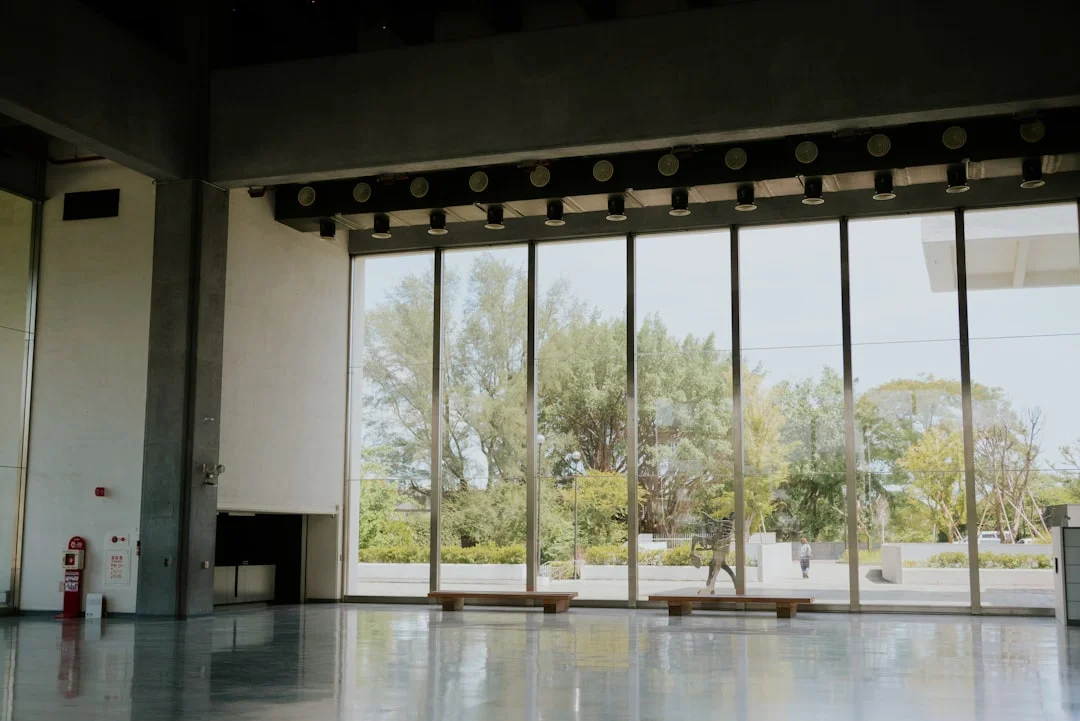
At its heart, the concept of desk positioning in Feng Shui is about establishing a "command position." This principle dictates that one should be situated in a way that maximizes awareness and minimizes vulnerability, thereby fostering a sense of security and control. The desk becomes the central command post for your work and ideas. This positioning directly influences the flow of Qi, or vital life force energy, around and toward the individual. A well-positioned desk allows for smooth, nourishing Qi to accumulate, supporting clarity, focus, and sustained effort. Conversely, a poorly placed desk can cause Qi to become stagnant, rushed, or blocked, leading to distraction, fatigue, and creative blocks. In real-life terms, consider the difference between a desk crammed into a dark corner facing a wall and one positioned to have a clear view of the room's entrance while being supported by a solid wall behind. The former environment often feels isolating and limiting, while the latter promotes a sense of authority and calm awareness. Similarly, a desk placed directly in line with a busy doorway or under an exposed beam creates a subconscious sense of unease or pressure that can fragment attention.
Traditional Feng Shui Perspective
From the classical Feng Shui viewpoint, desk placement is a delicate exercise in balancing fundamental forces and optimizing spatial dynamics. The principle of Yin-Yang balance is crucial. The desk itself, as a place of active thinking and doing, is Yang. It requires the supportive, stabilizing energy of Yin. This balance is achieved by having a solid wall (Yin) behind you for support, while maintaining an open, expansive view (Yang) in front of you for opportunity. Sitting with your back to a door or a large window creates a Yang-heavy, vulnerable position that drains energy through subconscious vigilance. The Five Elements theory also plays a significant role. The desk and its position can strengthen or weaken elemental cycles affecting your work. A desk facing south (associated with the Fire element) can enhance recognition and passion for projects but may require the balancing presence of Earth or Wood elements (like a wooden desk or ceramic items) to prevent burnout. A metal desk (Metal element) in the west can support precision and logic but might benefit from a Water element item (like a small fountain or black color) to encourage flow and adaptability. Qi flow and spatial harmony are paramount. The ideal path for Qi is meandering and gentle. A desk placed in the direct path of a long, straight corridor of energy, such as aligning with a long hallway or directly opposite a door, subjects the occupant to Sha Qi, or attacking "poison arrow" energy. This creates a feeling of being constantly "on the run," undermining deep concentration. The goal is to receive Sheng Qi, or nourishing energy, which is gathered when one is protected yet open to beneficial influences, much like an armchair placed in the corner of a living room with a view of the entrance.
Modern Interpretation
Modern environmental psychology provides a compelling, science-adjacent language for these ancient observations, focusing on how space directly impacts cognitive function and emotional state. The "command position" translates directly into environmental psychology's concept of prospect and refuge. Humans have an innate preference for spaces that offer a clear view (prospect) over their environment while being sheltered (refuge). A desk positioned with a solid wall behind and a good view of the room satisfies this deep-seated need, reducing subconscious stress and freeing cognitive resources for focused work. This setup minimizes startle responses and the cognitive load of monitoring unseen spaces behind you. The impact on mood and behavior is significant. A desk facing a blank wall can induce a sense of confinement and mental block, often linked to higher levels of frustration. Natural light from a side window, however, regulates circadian rhythms, boosts vitamin D, and reduces eye strain, directly enhancing alertness and mood. Clutter on or around the desk represents visual noise, which competes for attentional resources and increases cortisol levels, the stress hormone. In practical terms, productivity is influenced by these factors through mechanisms of perceived control, reduced environmental stress, and optimized sensory input. A harmonious desk position is not about superstition; it is about designing an environment that subconsciously supports your goals. It minimizes distractions, fosters a sense of safety and authority, and aligns your physical space with the mental state required for deep work, thereby influencing lifestyle through sustained focus and reduced work-related anxiety.
Insights
- Position your desk so that you can see the door to your workspace without being directly in line with it, which creates a subconscious sense of security and control over your environment.
- Always ensure you have a solid, high wall behind your seat to provide symbolic and psychological support, preventing feelings of vulnerability and distraction.
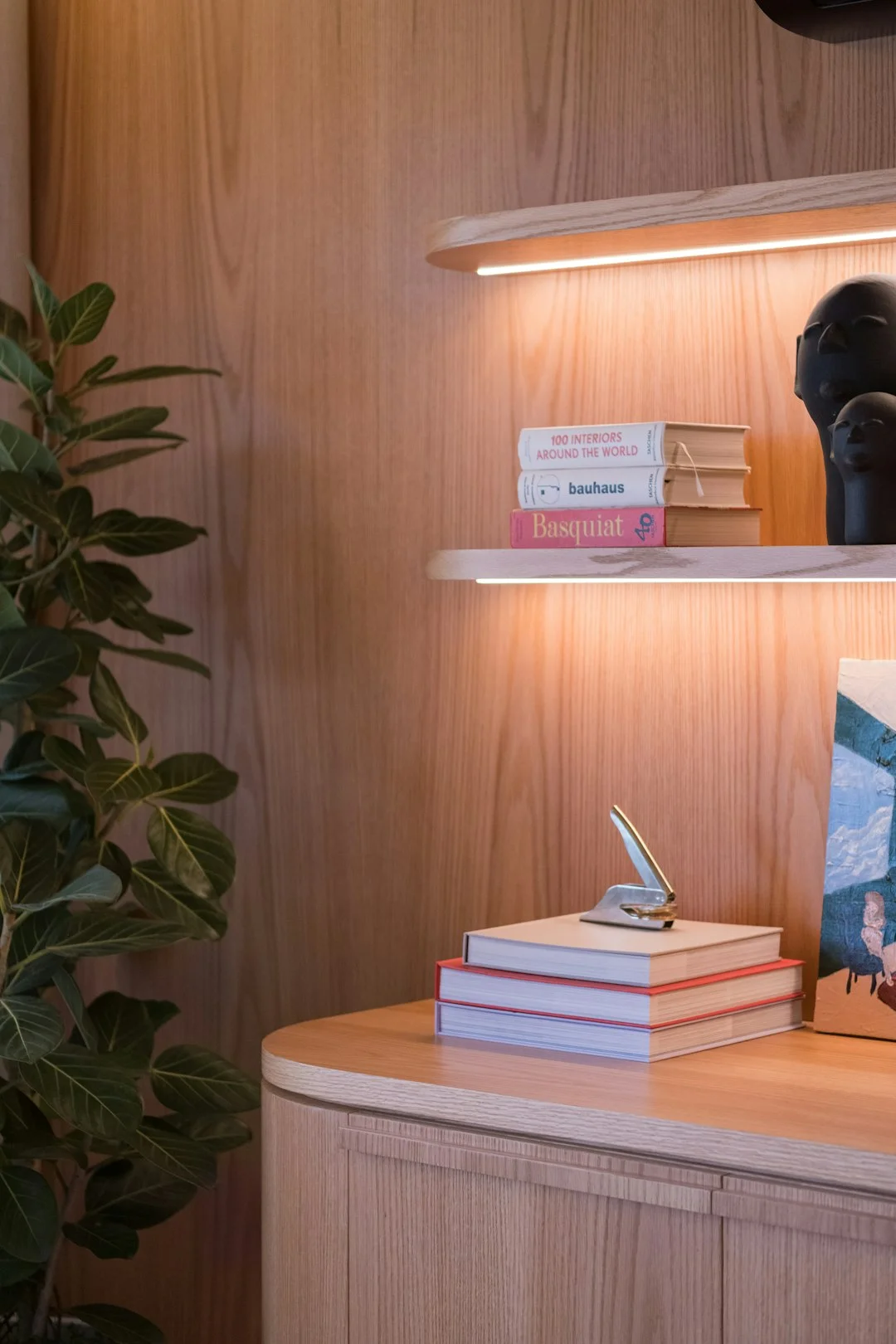
- Incorporate a balance of natural elements, such as a wooden desk, a metal lamp, or a living plant, to create a sensorially balanced environment that sustains energy.
- Avoid placing your desk directly under an exposed ceiling beam or a low sloped ceiling, as this creates a tangible sense of pressure and can lead to mental fatigue.
- Integrate soft, indirect lighting in addition to task lighting to balance the strong Yang energy of work with calming Yin energy, reducing eye strain and mental agitation.
Conclusion
The influence of desk position on productivity is a confluence of ancient wisdom and contemporary understanding of human psychology. The traditional Feng Shui principles of command position, Qi flow, and elemental balance offer a structured framework for creating a supportive environment. When interpreted through the lens of modern environmental psychology, these principles reveal their core truth: our spatial arrangements have a profound, measurable impact on our mental state, stress levels, and cognitive performance. By intentionally positioning your desk to provide support, visibility, and harmony, you are not engaging in mysticism but in the practical art of designing your immediate world to support your best work. The optimal desk position is, ultimately, one that makes you feel simultaneously grounded, open, and calmly in command.