The bedroom is far more than a place for physical rest; it is a sanctuary for psychological and energetic renewal. The arrangement of this space, from the placement of the bed to the organization of furniture and decor, creates a subtle yet powerful environmental dialogue that directly influences sleep quality. This article explores how ancient principles of spatial harmony and energy flow, interpreted through the lens of Feng Shui and modern environmental psychology, can guide us in crafting a bedroom that promotes deep, restorative sleep.
Core Concept
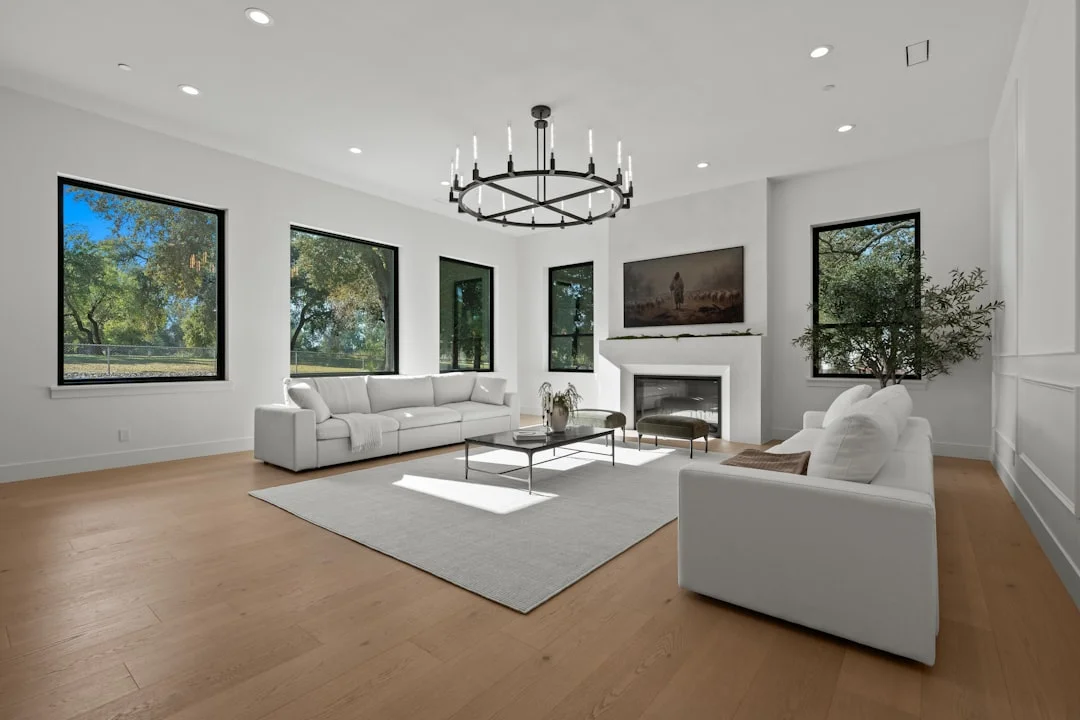
At its heart, the Feng Shui approach to the bedroom centers on the concept of "Qi," or vital life force energy. The bedroom layout acts as a channel for this energy, determining whether it flows smoothly to nurture and calm the occupant or becomes stagnant and disruptive. A well-arranged bedroom represents a protected, womb-like space that supports vulnerability and release. It influences energy by directing gentle, supportive Qi toward the sleeper while deflecting harsh or chaotic energy. In real-life terms, consider the difference between a cluttered, chaotic room with a bed shoved against a wall and a serene, orderly space with a commanding bed position and minimal electronics. The former environment subconsciously signals unrest and obstruction, while the latter communicates safety and openness, directly impacting the nervous system's ability to transition into sleep.
Traditional Feng Shui Perspective
From a classical Feng Shui standpoint, the bedroom is a deeply Yin space, requiring a balance that favors receptivity, stillness, and coolness over Yang's active, bright, and stimulating qualities. The goal is to cultivate an environment where Yin energy can flourish to facilitate sleep. The Yin-Yang balance is paramount. This involves using soft, curved lines in furniture and decor (Yin) to balance the room's inherent structural lines (Yang). Lighting should be dimmable and warm, avoiding harsh overhead lights. Colors tend toward the Yin spectrum—softer, muted, and darker tones that encourage the mind to settle. Five Elements interactions must be carefully managed. The Wood element, representing growth and vitality, is beneficial in moderation through vertical lines or gentle green hues. The Earth element provides stability and is introduced through square shapes or light yellow/beige tones. The Metal element, associated with precision and clarity, can be used sparingly in white or metallic accents. Crucially, the Fire element (red, bright lights, triangles) and excessive Water element (black, wavy patterns, actual water features) are generally minimized, as Fire is overstimulating and Water can be too unpredictable for a space requiring emotional security. Qi flow and spatial harmony are primarily governed by the commanding position of the bed. Ideally, the bed should be placed diagonally opposite the door, with a solid wall behind it and a clear view of the entrance without being directly in line with it. This position allows the sleeper to feel secure and in command of the space, enabling Qi to approach them gently. Doors and windows are considered "mouths of Qi"; the bed should not be aligned directly with them to avoid being in the path of rushing energy, which is believed to fragment sleep. The space under the bed should be kept clear to allow energy to circulate freely, preventing stagnation that can manifest as restless thoughts.
Modern Interpretation
Modern environmental psychology provides a compelling, science-adjacent language for these ancient principles. The arrangement of our bedroom directly impacts our subconscious mind, mood, and autonomic nervous system. The impact of space on mood and behavior is evident in the feeling of security derived from the bed's commanding position. Psychologically, being able to see the door without being directly exposed to it reduces primal vigilance, lowering cortisol levels and preparing the body for rest. Conversely, a bed tucked into a corner or with its head against a window can create a subtle sense of vulnerability or exposure, hindering full relaxation. Clutter is identified in both systems as a major disruptor. Visually, clutter represents unfinished business and chaos, which the brain continues to process, increasing anxiety and cognitive load. This directly opposes the mental state required for sleep onset. The modern emphasis on a "sleep sanctuary" mirrors the Feng Shui ideal of a dedicated, peaceful space, advising the removal of work-related materials, exercise equipment, and excessive electronics to strengthen the mental association between the room and rest. Productivity, stress, and lifestyle influence are acknowledged through the strict advice against having a home office or television in the bedroom. The blue light from screens suppresses melatonin, while the mere presence of work materials can trigger stress responses, making it difficult for the brain to disengage. The practical, real-life meaning is that spatial boundaries create psychological boundaries. By curating a room solely for sleep and intimacy, we train our brains to automatically shift into a restful mode upon entering.
Insights
- Positioning your bed so you can see the door while lying down, without being directly in line with it, can foster a subconscious sense of security and control that is fundamental for releasing tension.
- Removing electronic devices and work-related clutter from the bedroom strengthens the mental association between the space and rest, reducing anxiety and cognitive stimulation before sleep.
- Choosing a supportive headboard made of solid material and ensuring your bed has a clear space beneath it promotes a feeling of stability and allows for better air and energy circulation.
- Balancing soft, textured fabrics and warm, dimmable lighting with ample open floor space creates an environment that is both comforting and free from visual overwhelm.
- Incorporating a modest amount of the Wood element, such as a healthy plant or green accents, can introduce a subtle sense of vitality and growth without disrupting the room's essential calm.
Conclusion
The layout of a bedroom operates on multiple levels, from the tangible arrangement of furniture to the intangible flow of energy and psychological cues. By integrating the time-tested wisdom of Feng Shui—focusing on the commanding bed position, Yin-Yang equilibrium, and mindful elemental choices—with modern understandings of environmental psychology, we gain a powerful framework for intentional design. The ultimate goal is not superstition, but the conscious creation of a holistic environment where every aspect of the space works in harmony to support the profound physical and mental renewal that occurs during sleep. A thoughtfully arranged bedroom becomes a true sanctuary, actively nurturing the quality of our rest and, by extension, the quality of our waking lives.