The intersection of minimalist design and Feng Shui presents a fascinating dialogue between ancient wisdom and contemporary aesthetics. At first glance, the two philosophies appear aligned, both advocating for intentional, clutter-free spaces. However, a deeper examination reveals both harmonious overlaps and potential points of tension. This article explores whether the stark simplicity of minimalism can truly enhance the flow of Qi, or if it risks creating an environment that is energetically sterile. By examining core principles from both traditions, we can uncover how to thoughtfully integrate minimalism to support well-being, balance, and harmony in the modern home.
Core Concept
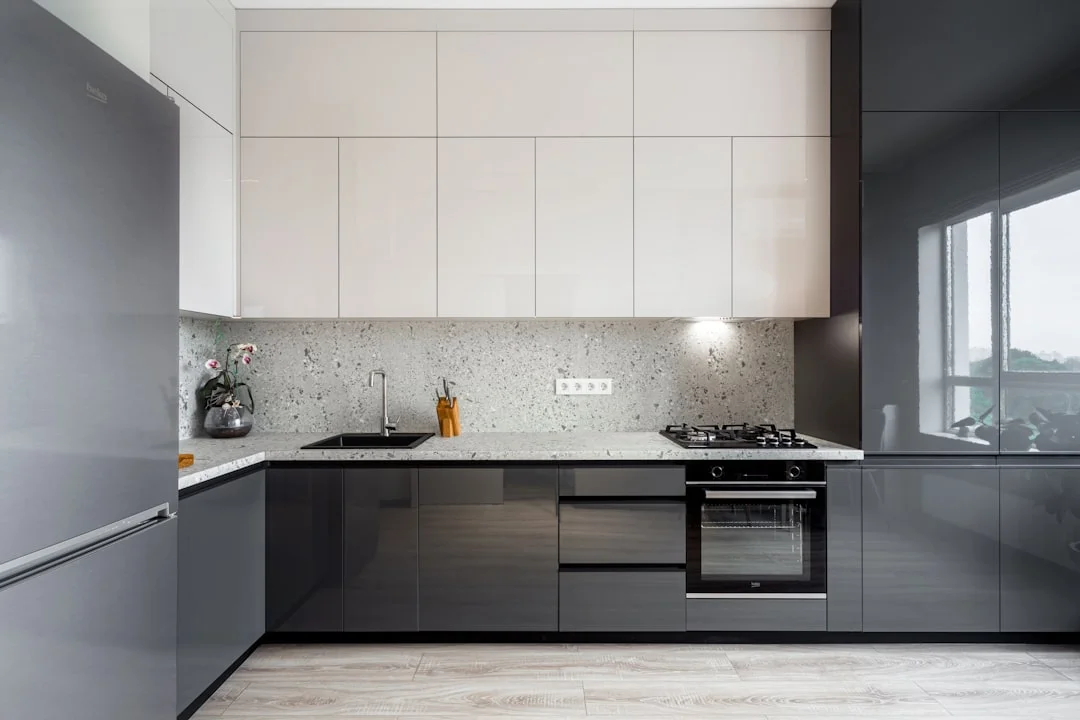
Feng Shui, at its heart, is the art of arranging living spaces to create harmony with the natural world and the flow of life force energy, known as Qi. It operates on the principle that our environment directly influences our health, fortune, and state of mind. A space with good Feng Shui allows Qi to move in a gentle, meandering manner, nourishing every corner without becoming stagnant or overly rushed. The arrangement of objects, colors, and materials either facilitates or obstructs this vital flow. Minimalist design is a modern aesthetic philosophy that emphasizes simplicity, functionality, and the elimination of non-essential items. It focuses on clean lines, open spaces, and a restrained palette, aiming to reduce visual noise and create a sense of calm and order. The core intention is to strip away the superfluous to highlight what is truly important, reducing stress and distraction. In practice, this often means having fewer possessions, multi-functional furniture, and ample empty space. Real-life examples of these principles in action include a living room with only a comfortable sofa, a single piece of art, and ample floor space, or a bedroom featuring a low platform bed, integrated storage, and nothing on the nightstands. The question is whether such spaces, while visually serene, actively cultivate positive Qi or simply present a blank, inactive canvas.
Traditional Feng Shui Perspective
From a classical Feng Shui standpoint, minimalism can be a powerful tool for clearing stagnant Qi, but it must be applied with an understanding of deeper energetic principles. The primary risk is creating a space that is excessively Yang—too bright, too hard, too empty—which can lead to Qi that moves too quickly or dissipates entirely, failing to settle and nourish the inhabitants. The Yin-Yang balance is crucial. A healthy space requires both active (Yang) and receptive (Yin) qualities. While minimalism excels at reducing chaotic Yang energy from clutter, an over-minimalized space can lack the nurturing, soft, and "lived-in" quality of Yin. A room with only white walls, a concrete floor, and a metal chair may be minimalist, but it is overwhelmingly Yang and lacks the balance needed for rest and rejuvenation. Traditional Feng Shui would introduce textiles, organic shapes, and perhaps a living plant to restore equilibrium. The Five Elements theory (Wood, Fire, Earth, Metal, Water) is another critical lens. Minimalist design naturally gravitates toward the Metal element (clean lines, white, gray, metallic finishes) and the Water element (black, reflective surfaces, flowing layouts). An overemphasis on these, without the balancing elements of Wood (plants, vertical lines), Fire (warmth, lighting, red accents), and Earth (stability, ceramics, earthy tones), can create an environment that feels cold and impersonal. The goal is a cyclical, supportive interaction of all elements, not a dominance of one or two. Furthermore, Qi flow and spatial harmony depend on more than emptiness. Qi needs to be invited, guided, and retained. Strategic placement of key furniture, the use of pathways that allow Qi to meander, and the inclusion of meaningful objects with positive associations are all traditional methods to achieve this. A completely empty corner, for instance, might allow Qi to stagnate; a minimalist solution could be a single, beautiful floor lamp (Fire element) to gently activate the space.
Modern Interpretation
Through the lens of environmental psychology and modern living, the synergy between minimalism and Feng Shui becomes particularly compelling. Both systems ultimately seek to create environments that reduce stress and enhance well-being, albeit through different cultural frameworks. Clutter is scientifically linked to increased cortisol levels, anxiety, and an inability to focus. By advocating for the removal of clutter, minimalism directly supports the Feng Shui goal of clearing stagnant Qi, which is conceptually linked to feelings of being stuck, overwhelmed, or lethargic. A clear space allows for clear thinking, which is a shared objective of both philosophies. The impact on mood and behavior is significant. A minimalist environment reduces sensory overload, making it easier to relax and recharge—a direct support for the Yin aspect of a home. This intentionality in design encourages more mindful consumption and a greater appreciation for the items one chooses to keep. Each object in a minimalist space carries more weight and intention, aligning well with the Feng Shui principle that every item in your home holds energy and influences your life. In terms of productivity and lifestyle, the functionality prized by minimalism ensures that spaces are used efficiently and without frustration. A home office with only essential tools reduces distraction, allowing Qi (and attention) to flow unimpeded toward the task at hand. The practical real-life meaning is a home that actively supports your goals rather than hindering them, creating a backdrop for a more purposeful and less chaotic daily life.
Insights
- A truly harmonious minimalist space should incorporate at least one living plant or a natural wooden element to represent the Wood element and introduce vital, growing energy into the environment.
- To prevent a minimalist room from feeling too stark and Yang, intentionally add soft textures like a wool rug, linen curtains, or a velvet throw to introduce essential nurturing Yin qualities.
- Ensure your minimalist color palette includes at least two of the five elemental colors—such as earthy browns (Earth) or warm lighting (Fire)—to create a balanced and cyclically supportive energy flow.
- Apply minimalist principles to clear clutter from key Feng Shui areas like the entryway (for welcoming Qi) and the bedroom (for restorative sleep), but avoid leaving these areas completely barren and inactive.
- Choose a few high-quality, meaningful decorative items in a minimalist space rather than many trivial ones, as each object’s energy will have a more pronounced and focused impact on the room’s atmosphere.
Conclusion
Minimalist design can indeed improve Feng Shui, but not through simple reduction alone. The key lies in intentional, informed application. When minimalism is practiced with an awareness of Yin-Yang balance, the Five Elements, and the need to guide and nurture Qi, it becomes a powerful modern method for achieving classical harmonious goals. The ideal approach is not stark emptiness, but curated simplicity—a space where every item, surface, and void is consciously chosen to support the flow of energy and the well-being of the inhabitants. In this synthesis, we find a potent formula for creating contemporary sanctuaries that are both aesthetically serene and energetically vibrant.