The living room serves as the heart of a home, a central gathering space where family members connect, converse, and share their lives. It is more than just a functional area for relaxation and entertainment; it is a symbolic container for familial energy and interaction. The ancient Chinese practice of Feng Shui, which translates to "wind and water," offers a profound framework for understanding how the arrangement and energy of this pivotal space can influence the dynamics within it. By intentionally designing the living room to promote harmony and positive energy flow, one can create an environment that naturally fosters communication, reduces conflict, and strengthens emotional bonds among family members. This article explores the intersection of classical Feng Shui principles and modern environmental psychology to answer how the living room's design can tangibly impact family relationships.
Core Concept
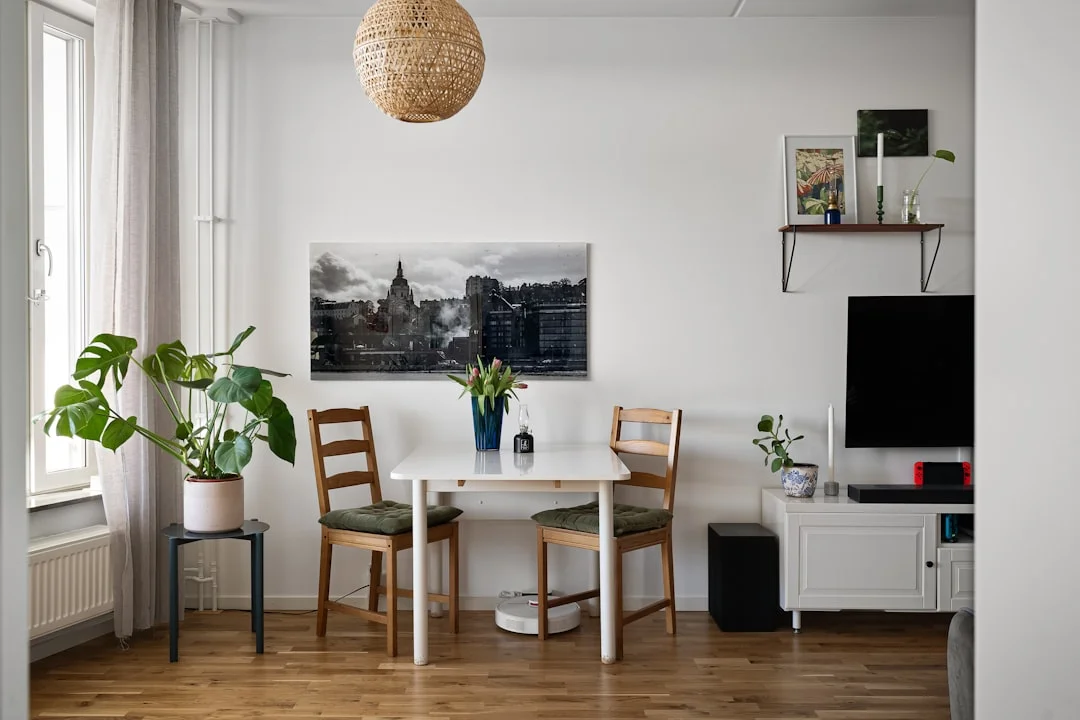
In Feng Shui, the living room is considered the primary public space where the home's collective Qi, or vital life force energy, gathers and circulates. It represents the social and relational aspect of the household, directly mirroring the state of family interactions. The quality of Qi in this room—whether it is stagnant, chaotic, or smooth and nourishing—is believed to influence the mood, communication patterns, and overall harmony of its occupants. The core concept hinges on the idea that our external environment is a reflection of our internal state, and conversely, that we can shape our internal experiences by consciously designing our surroundings. A living room cluttered with obstacles, dominated by sharp angles, or lacking a comfortable focal point can create subtle psychological friction. This manifests as shorter tempers, a tendency for arguments, or a feeling that family members are perpetually "out of sync." Conversely, a space that feels open, balanced, and inviting encourages the free flow of both energy and conversation, making peaceful, joyful interactions more likely. For example, a room where seating is arranged to allow easy eye contact and conversation, away from direct drafts or noise, naturally becomes a place where family wants to linger and connect.
Traditional Feng Shui Perspective
From a classical Feng Shui viewpoint, optimizing the living room involves a multi-layered analysis focusing on balance, elemental harmony, and directional alignment. The principle of Yin-Yang balance is paramount. The living room should strike a harmony between active Yang energy and passive Yin energy. Too much Yang, created by excessive bright lighting, loud colors, and constant high activity, can lead to irritability and conflict. Too much Yin, from dim lighting, cool colors, and inactivity, can foster lethargy and withdrawal, stifling communication. A balanced room might feature a vibrant piece of art (Yang) on a neutral wall (Yin), or ample natural light during the day balanced with soft, warm lighting in the evening. The Five Elements theory—Wood, Fire, Earth, Metal, and Water—provides a symbolic language for creating harmony. Each element relates to specific shapes, colors, and materials. A healthy living room should contain a representation of all five elements, arranged in a productive cycle to support family growth. For instance, the Wood element (represented by vertical lines, plants, and green tones) promotes growth and vitality in family endeavors. The Fire element (triangular shapes, red accents, candles) encourages joy and recognition. However, an overabundance of one element can create imbalance; too much Fire could metaphorically "burn" relationships, leading to heated arguments. Qi flow and spatial harmony are assessed through the layout. The main seating, typically a sofa, should be placed in a "commanding position." This means it is situated diagonally opposite and facing the entrance to the room, without being in direct line with the door. This placement allows occupants to see who is entering, providing a subconscious sense of security and control, reducing anxiety and fostering relaxed interaction. The pathways for Qi, and for people, should be clear and unobstructed, allowing energy to meander gently rather than rush in a straight line from the door to a window, which would scatter familial cohesion.
Modern Interpretation
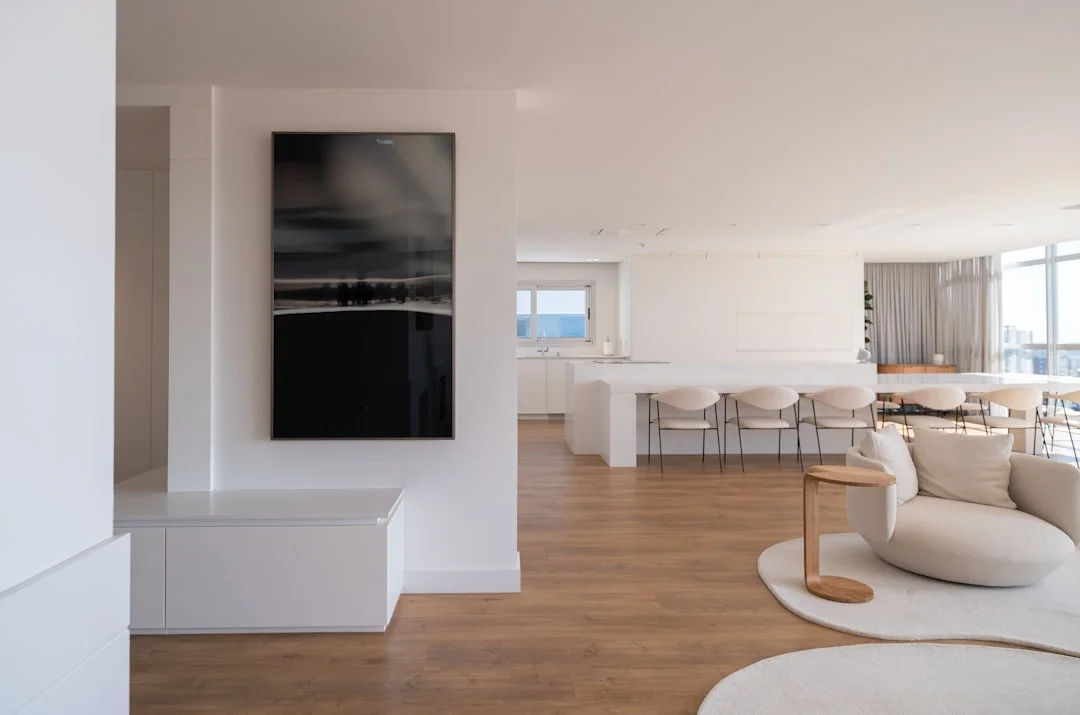
Modern environmental psychology and design principles echo many of these ancient insights, providing a scientific and pragmatic lens. The arrangement of space directly impacts human behavior, mood, and social dynamics, validating the core tenets of Feng Shui through contemporary research. The impact of space on mood is well-documented. Clutter is associated with increased cortisol levels, the stress hormone, which can make family members more prone to frustration. A clean, organized living room reduces cognitive load, allowing minds to focus on each other rather than on environmental chaos. Similarly, lighting plays a crucial role in psychological well-being. Ample natural light boosts serotonin, improving mood, while warm, layered artificial lighting in the evening supports melatonin production and a calming atmosphere conducive to intimate conversation. The layout's influence on behavior is clear. Furniture arranged to facilitate face-to-face interaction at a comfortable distance—often in a circular or U-shaped configuration—promotes prosocial behavior. It removes physical barriers to communication and creates a sense of inclusion. Conversely, seating arranged in rows facing a television creates a passive, isolated experience. The concept of "prospect and refuge" in environmental psychology aligns perfectly with the Feng Shui commanding position: humans have an innate preference for spaces where they can see (prospect) without being exposed (refuge), which directly lowers stress and fosters a sense of safety within the family unit. Practically, this means creating a living room that is intentionally designed for connection. It involves choosing colors that evoke the desired emotional tone—perhaps calming earth tones over stimulating bright reds. It means selecting furniture that is both comfortable and arranged to invite gathering, and managing technology so it serves the family rather than dominating the space. The modern interpretation is not about superstition, but about creating a habitat that consciously supports the healthy, loving relationships we wish to nurture.
Insights
- Placing the main sofa against a solid wall and facing the room's entrance can subconsciously increase a family's sense of security and reduce interpersonal tensions.
- Introducing living plants in the east or southeast areas of the room leverages the Wood element to encourage healthy growth and adaptability in family dynamics.
- Ensuring a clear, unobstructed walking path around all furniture allows both physical movement and positive social energy to circulate freely without blockage.
- Balancing the representation of all five elements through color, shape, and material prevents any single emotional quality from dominating the family's shared space.
- Creating a distinct, well-defined focal point, such as a hearth or piece of art, gives the family a shared center for gathering and conversation.
Conclusion
The question of whether living room Feng Shui can improve family relationships finds its answer in the synthesis of ancient wisdom and modern understanding. While classical Feng Shui provides a symbolic and systematic framework for analyzing energy flow, balance, and elemental interaction, contemporary environmental psychology confirms that spatial design has a direct and measurable impact on human psychology and social behavior. The living room, as the home's relational core, is not a passive backdrop but an active participant in family life. By intentionally applying principles that promote security, comfort, and open communication—whether framed as commanding position and Qi flow or as prospect-refuge and conversational seating—we craft an environment that actively nurtures connection. Ultimately, optimizing living room Feng Shui is a practical and thoughtful process of designing a space that reflects and supports the harmony, respect, and love that form the foundation of strong family relationships.