In the intricate system of Chinese metaphysics, the dynamic interplay of the Five Elements—Wood, Fire, Earth, Metal, and Water—forms the basis for understanding character, destiny, and interpersonal dynamics. Among these interactions, the concept of "clashes" represents a powerful and often challenging force. When examining relationships, whether romantic, familial, or professional, elemental clashes are not seen as mere indicators of conflict but as specific patterns of energetic friction. These clashes reveal where fundamental modes of being, communication, and desire may collide, creating both tension and, potentially, profound growth. Understanding these patterns offers a map to navigate relational challenges with greater awareness and intention.
Core Concept
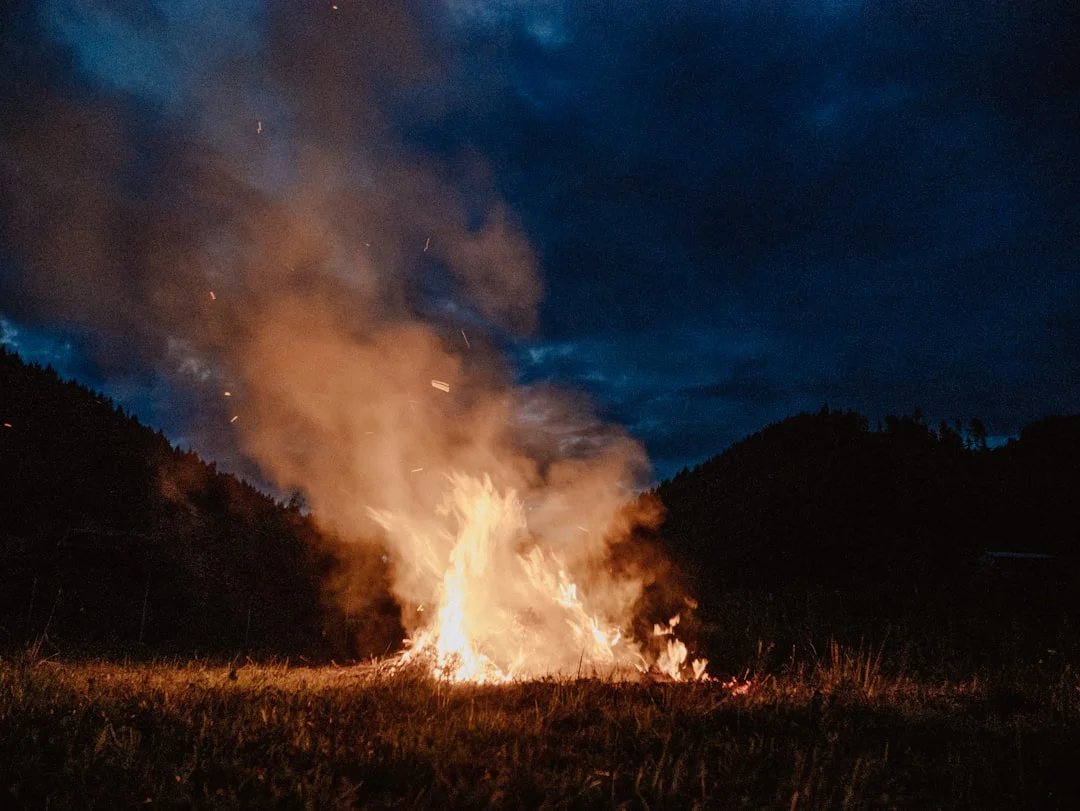
In Bazi (Four Pillars of Destiny), an element clash occurs when two of the twelve Earthly Branches in a person's chart conflict in a specific, destabilizing way. The most direct and potent are the Six Clashes, such as the Rat-Horse clash or the Rabbit-Rooster clash. Each branch corresponds to an element and its yin or yang aspect, meaning a clash is fundamentally a collision of elemental energies. For instance, the Rat (Yang Water) clashes with the Horse (Yang Fire), representing a direct confrontation between the penetrating, adaptive nature of Water and the expansive, volatile nature of Fire. Beyond the branch clashes, the elemental framework itself defines productive and destructive cycles. The "Overcoming" or "Controlling" cycle is where one element subdues another: Wood parts Earth, Earth dams Water, Water extinguishes Fire, Fire melts Metal, and Metal chops Wood. When the dominant elements in two individuals' charts are in this controlling relationship, a natural power dynamic or friction is introduced. A person with a strong Fire nature, who is passionate and expressive, may instinctively overwhelm a person with a strong Metal nature, who values precision and structure, leading the Metal individual to feel criticized or melted down.
Traditional Meaning
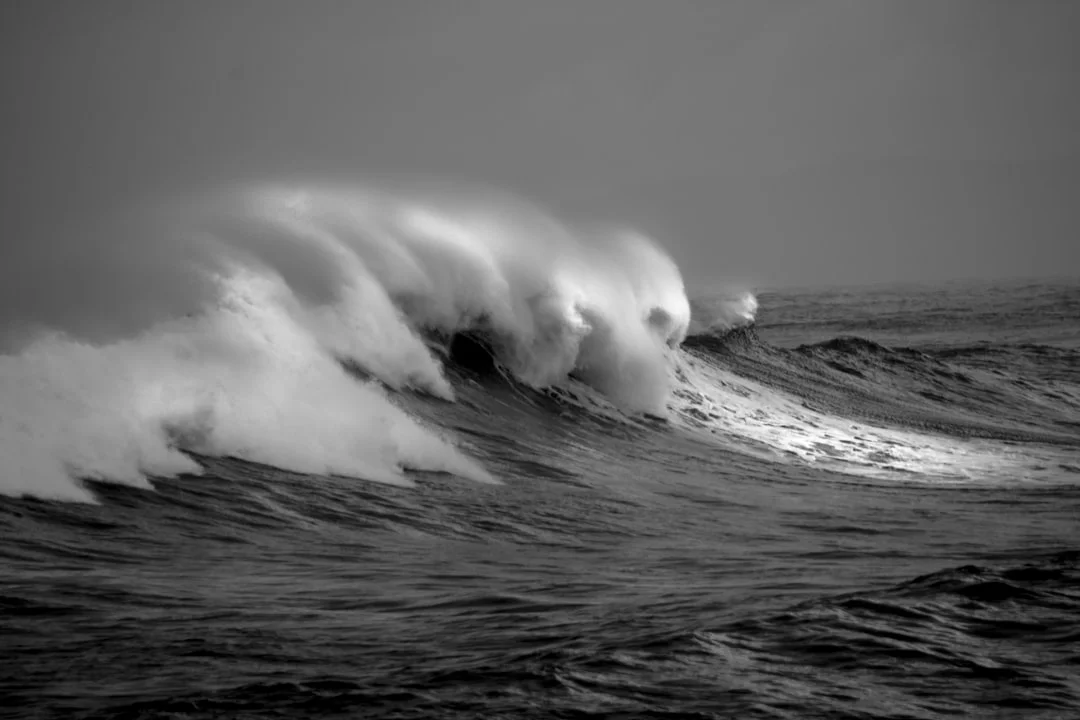
The interpretation of clashes is deeply rooted in the foundational principles of Yin-Yang theory and the Five Elements, reflecting a traditional worldview focused on balance and natural law. Yin-Yang Every clash involves an interaction between yin and yang forces. A clash is not a simple "bad" event; it is a dramatic rebalancing of opposing energies. It represents a point where stagnation is broken, often suddenly and forcefully. In relationships, this can manifest as explosive arguments that clear the air, sudden separations, or unexpected events that irrevocably change the dynamic. The tension of the clash seeks to resolve the imbalance, pushing the relationship toward a new state of equilibrium, whether that results in a stronger union or a necessary dissolution. Five Elements The Five Elements are not static materials but phases of energy in constant transformation. A clash signifies an intense, often accelerated, transformation. The traditional meaning associates specific clashes with impacts on different life areas. For example, a clash involving the branch that represents one's "Spouse Palace" in the Bazi chart is traditionally noted for bringing turbulence to marital relationships. A clash in the "Parents Palace" might indicate challenges with authority or familial elders. The element involved gives color to the issue—a Metal-Wood clash might involve principles and rules (Metal) conflicting with growth and ideals (Wood). Cultural Background In agrarian society, harmony with natural cycles was paramount. Clashes were observed in the environment—sudden storms (Water-Fire), earthquakes, or fallen trees—and were mirrored in human affairs. This philosophy was applied to statecraft, medicine, and interpersonal relationships. A harmonious relationship, like a harmonious kingdom, required the smooth flow of *qi*. Clashes were warnings of blocked or rebellious *qi*, indicating a need for remediation, strategic caution, or conscious adaptation to avoid potential "loss" or injury in the corresponding life domain.
Modern Interpretation
Today, the language of elemental clashes provides a symbolic framework for understanding fundamental psychological and relational incompatibilities, moving beyond fatalism to a tool for self-awareness. Psychological Perspective Modern psychology can map elemental clashes to personality type conflicts. The Water-Fire clash can be seen as a conflict between a person who processes emotions internally and intuitively (Water) and one who expresses them externally and dramatically (Fire). The Metal-Wood clash mirrors the tension between a rigid, rule-oriented thinker (Metal) and a flexible, idealistic visionary (Wood). Understanding this as a "clash" depersonalizes the conflict; it is not that one person is wrong, but that their core operational energies are in a natural state of friction. This allows individuals to approach differences with more curiosity and less blame. Cultural Symbolism In contemporary terms, these clashes symbolize irreconcilable differences in life rhythm and values. A clash between the Rat (midnight, Winter) and the Horse (noon, Summer) symbolizes a profound difference in fundamental life pace—one thrives in quiet, strategic planning, the other in bright, active execution. It’s a partnership between a night owl and a morning person, amplified to a metaphysical degree. The symbolism helps articulate why some differences feel trivial and others feel existential; a clash touches the foundational layer of one's elemental constitution. Common Interpretations People commonly seek to understand clashes during periods of recurring conflict or major life decisions. It is less about predicting doom and more about identifying chronic stress points. For instance, if two business partners have a chart clash in the element representing wealth, they might be advised to have very clear, legally binding agreements (a Metal solution) to manage their shared resources (Earth), preventing the Wood (expansion) from destabilizing the structure. In romantic relationships, awareness of a clash might lead a couple to consciously create "neutral ground" rituals that incorporate a balancing element, such as shared Earth activities (like gardening or home-cooking) to mediate a Water-Fire dynamic.
Insights
- Recognizing a fundamental Wood-Earth clash in a relationship can explain why one partner's need for spontaneous growth and change consistently frustrates the other's desire for stability and routine.
- The intense spark of attraction in a Fire-Water dynamic often stems from the exciting clash of opposites, but it requires conscious effort to prevent it from devolving into a cycle of steam and evaporation.
- A Metal-Wood clash in a professional setting frequently manifests as continuous tension between innovative, big-picture proposals and critical, detail-oriented procedural reviews.
- Understanding that a clash represents accelerated *qi* movement encourages viewing relational crises as potential catalysts for necessary and transformative change, rather than purely negative events.
- Incorporating the nurturing, mediating energy of the missing or weak element in a clashing dynamic is a practical strategy to reduce friction and build a more harmonious connection.
Conclusion
Elemental clashes in relationships, from the perspective of Chinese metaphysics, are not sentences of inevitable failure but diagnostics of specific energetic friction. They illuminate the underlying patterns where worldviews, communication styles, and emotional needs fundamentally differ. By moving beyond a simplistic view of "good" or "bad" compatibility, this framework allows for a more nuanced understanding. It empowers individuals to identify the root of recurring conflicts, anticipate challenges, and develop strategic empathy. Ultimately, the wisdom lies not in avoiding all clashes, but in comprehending their nature, thereby transforming potential points of breakdown into opportunities for deeper awareness, deliberate communication, and conscious personal growth within the relationship.